
Asbestos Popcorn Ceiling Removal in Lafayette, LA
Textured popcorn ceilings installed through the 1970s and into the 1980s may contain asbestos. Before scraping or removing that texture, the ceiling should be tested, because disturbing it without controls can release fibers.

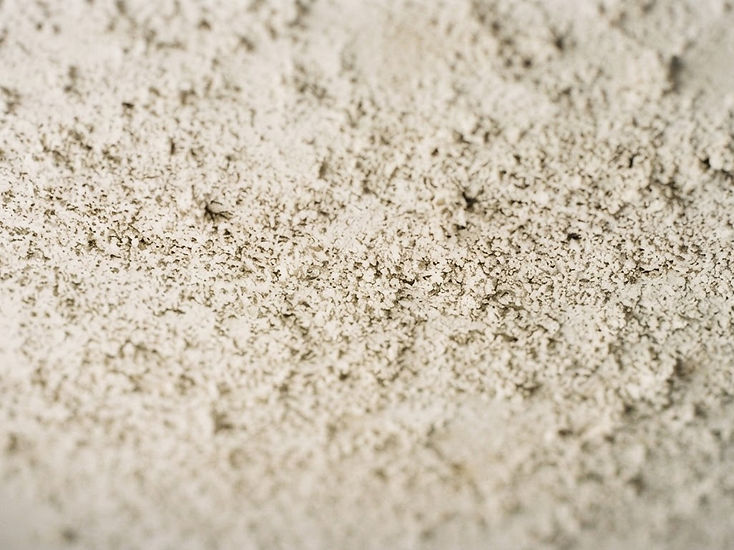
Older Textured Ceilings and Asbestos
Popcorn ceilings, also called acoustic or textured ceilings, were a common finish in homes built from the 1950s through the early 1980s. The spray-applied texture was valued for hiding imperfections and dampening sound. Some of these products contained asbestos as a binding fiber, which means a ceiling installed during that era may or may not contain asbestos today.
It is important to be clear: not every popcorn ceiling contains asbestos. Some manufacturers stopped using asbestos in these products before production ended, and ceilings installed or patched after that point may be asbestos-free. The only way to know is to test.
Why Testing Comes First
Removing a popcorn ceiling is inherently a disturbing process. Scraping the texture loose generates dust and debris, and if the material contains asbestos, that dust can carry fibers. Dry scraping in particular is one of the more fiber-intensive ways to handle an asbestos-containing material, which is exactly why testing before any removal is so important.
Testing a small sample of the ceiling texture confirms whether asbestos is present. If the result is negative, the ceiling can be removed with ordinary renovation precautions. If asbestos is confirmed, the removal is planned and carried out with containment and controls to prevent fiber release.
When Removal Is Considered
Popcorn ceiling removal is typically considered when:
- The ceiling is being removed as part of a renovation or modernization
- The texture is damaged, water-stained, or beginning to detach
- The ceiling will be sanded, patched, or otherwise disturbed
- A home is being prepared for sale and the texture is a concern
An intact, undisturbed popcorn ceiling that contains asbestos is not automatically a hazard. The concern arises when the material is damaged or when someone plans to remove it. In some cases, encapsulation, covering the ceiling with a new surface, is an alternative to removal.
Professional Removal and Containment
When a popcorn ceiling is confirmed to contain asbestos and removal is the chosen path, the work is done under controlled conditions. The room is contained to prevent dust from reaching the rest of the home, the texture is removed using methods that minimize fiber release, and the area is cleaned with HEPA filtration before containment comes down.
This is very different from a do-it-yourself scrape, which can spread contaminated dust throughout a home and leave fibers settled on surfaces and in the HVAC system. The controlled approach protects both the people doing the work and the occupants who will use the space afterward.
If Your Ceiling Is Intact
If you have an older popcorn ceiling that is in good condition and you have no plans to disturb it, testing may still be worth considering for your own awareness, particularly if you plan to sell the home or renovate later. Knowing what's overhead gives you the information to plan ahead rather than being surprised mid-project.
If you're planning to remove or disturb a popcorn ceiling in an older Lafayette-area home, the first step is a test. Call to discuss your ceiling and your plans before any scraping begins.
Removing a Popcorn Ceiling in an Older Home?
Test before you scrape. Call to arrange ceiling sampling and discuss safe removal for your Lafayette-area property.